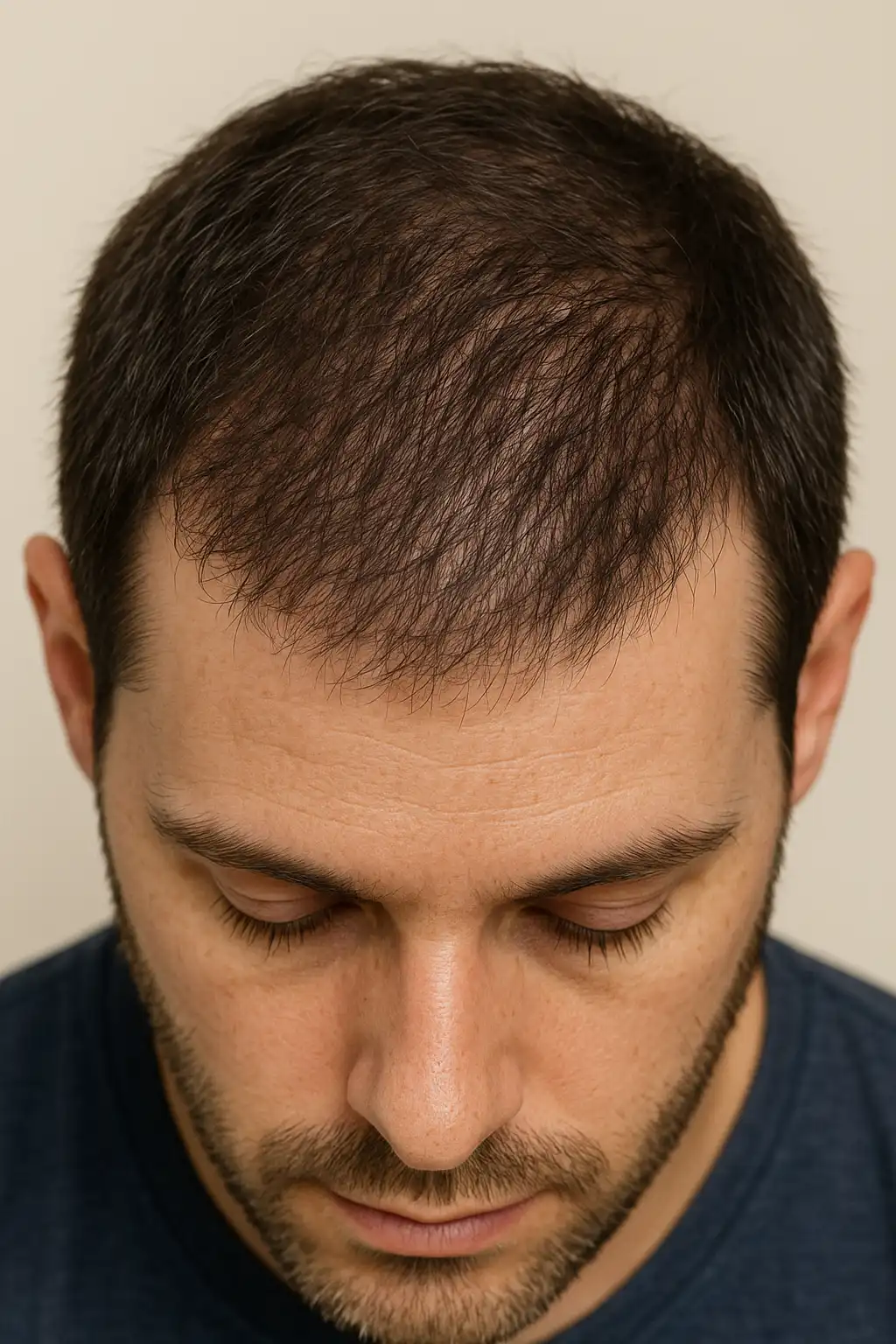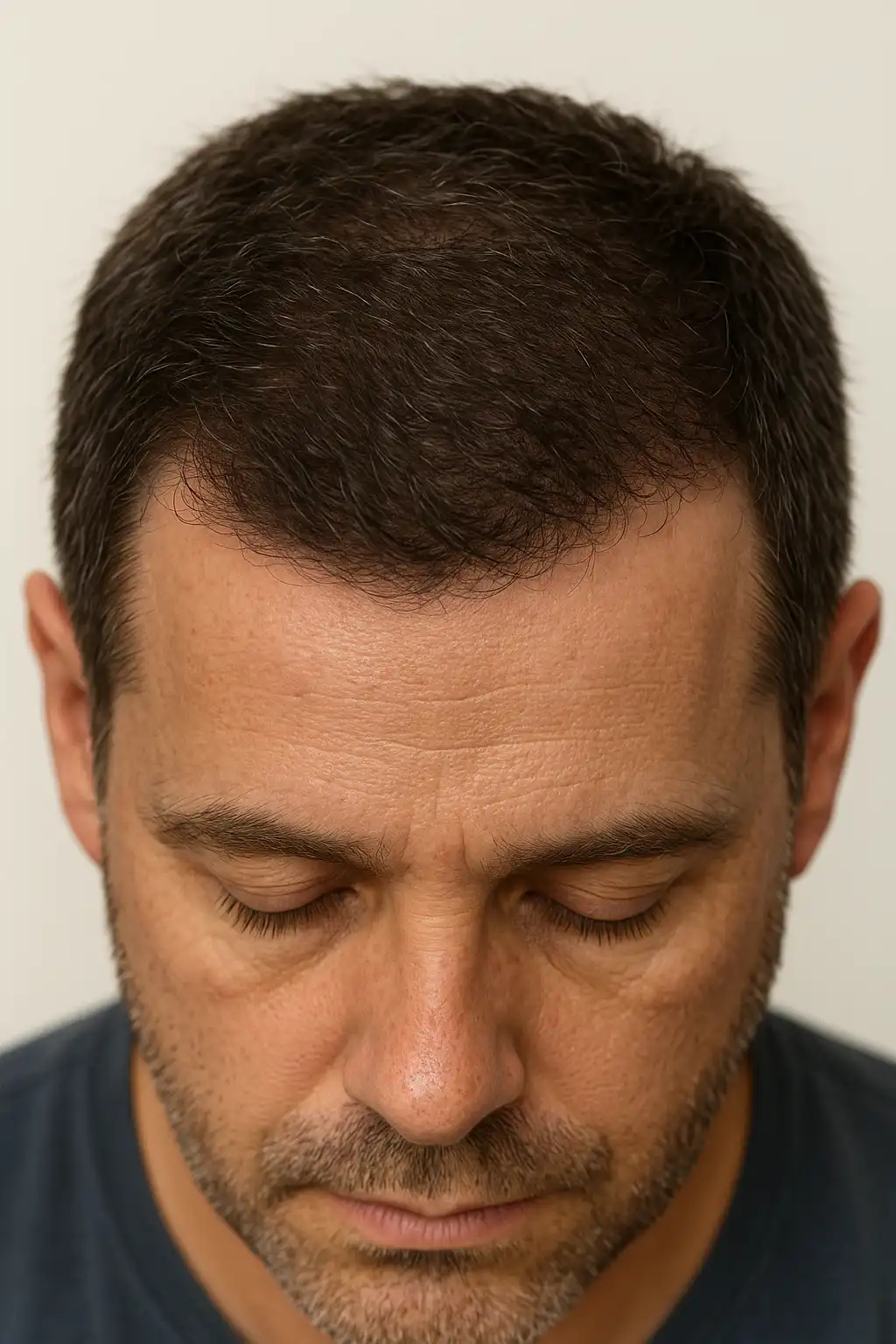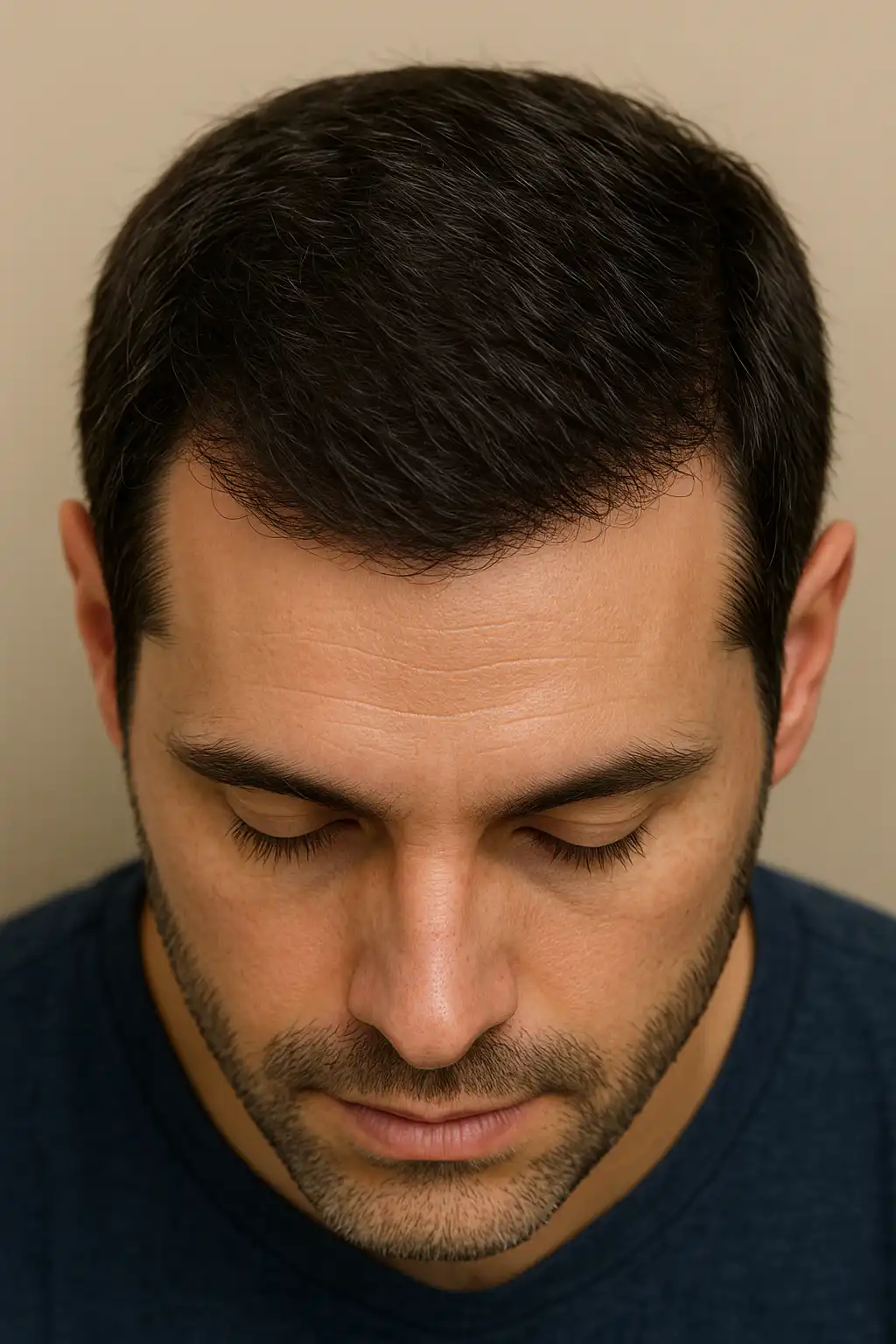

How Does FUE Actually Work?

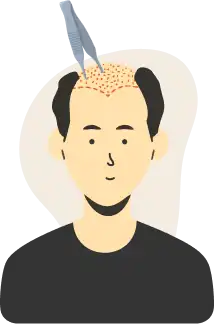
FUE hair transplants involve taking hair from the back and sides of the scalp, known as the donor area (hair can also be taken from other parts of the body if needed). The hair in this area is resistant to DHT, the hormone responsible for hair loss in areas like the crown or hairline in patients with male pattern hair loss. By transplanting these DHT-resistant hairs to thinning or balding areas, we can restore the hair in these areas long-term.

At Zentrix Hair Clinic, our expert doctors ensure precise extraction and implantation for seamless, long-lasting results.

The FUE Procedure: Step by Step

icon 01

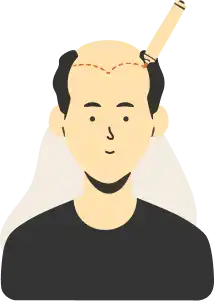
Consultation

Your journey begins with a detailed consultation where our doctors assess your hair loss, discuss your goals, and create a personalized treatment plan.

icon 02

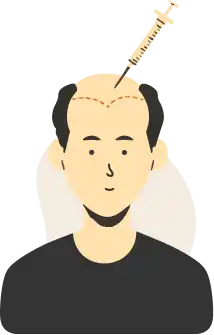
Preparation and Local Anaesthetic (Numbing Injections)

On the day of the procedure, the donor area (usually the back and sides of the scalp) and the recipient areas are trimmed and cleaned. Local anaesthetic injections are applied which numb the scalp to ensure your comfort throughout the process.

icon 03

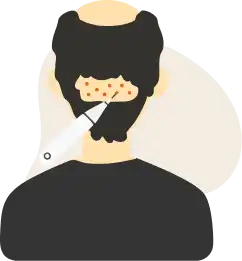
Harvesting / Follicle Extraction

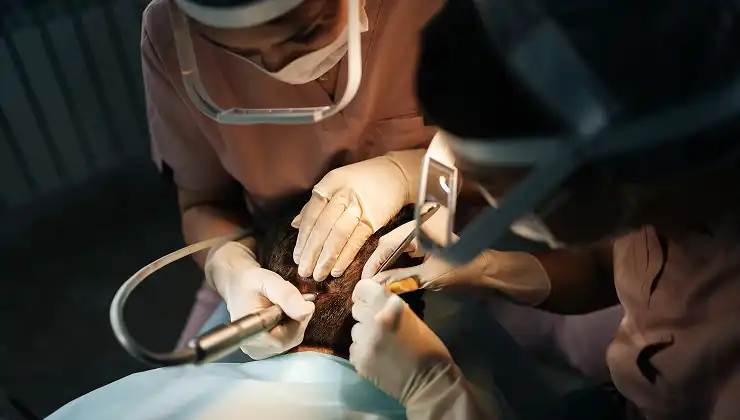
Using a specialized tool, our doctors carefully extract individual hair follicles from the donor area.

icon 04

Recipient Site Creation

Tiny incisions are then made in the thinning or balding areas of the scalp, following the natural direction and pattern of your hair growth.

icon 05

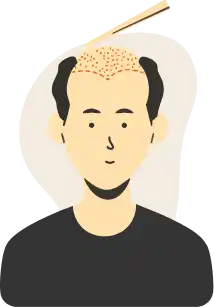
Follicle Implantation

The prepared follicles are meticulously implanted into the recipient sites, creating a natural appearance.

icon 06

Post-Procedure Care

Once the procedure is complete, our team will provide an aftercare pack with detailed instructions to ensure a smooth recovery and the best possible results.

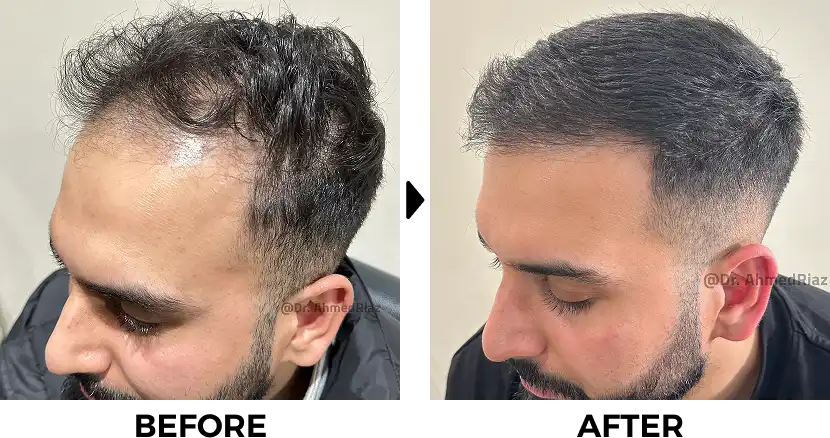
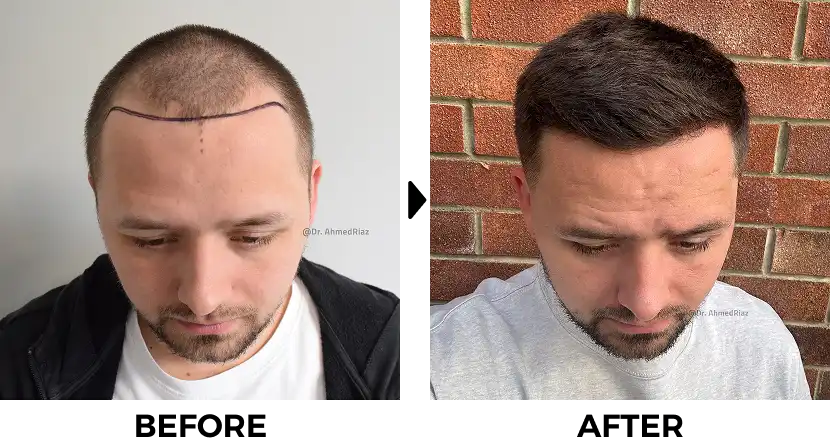
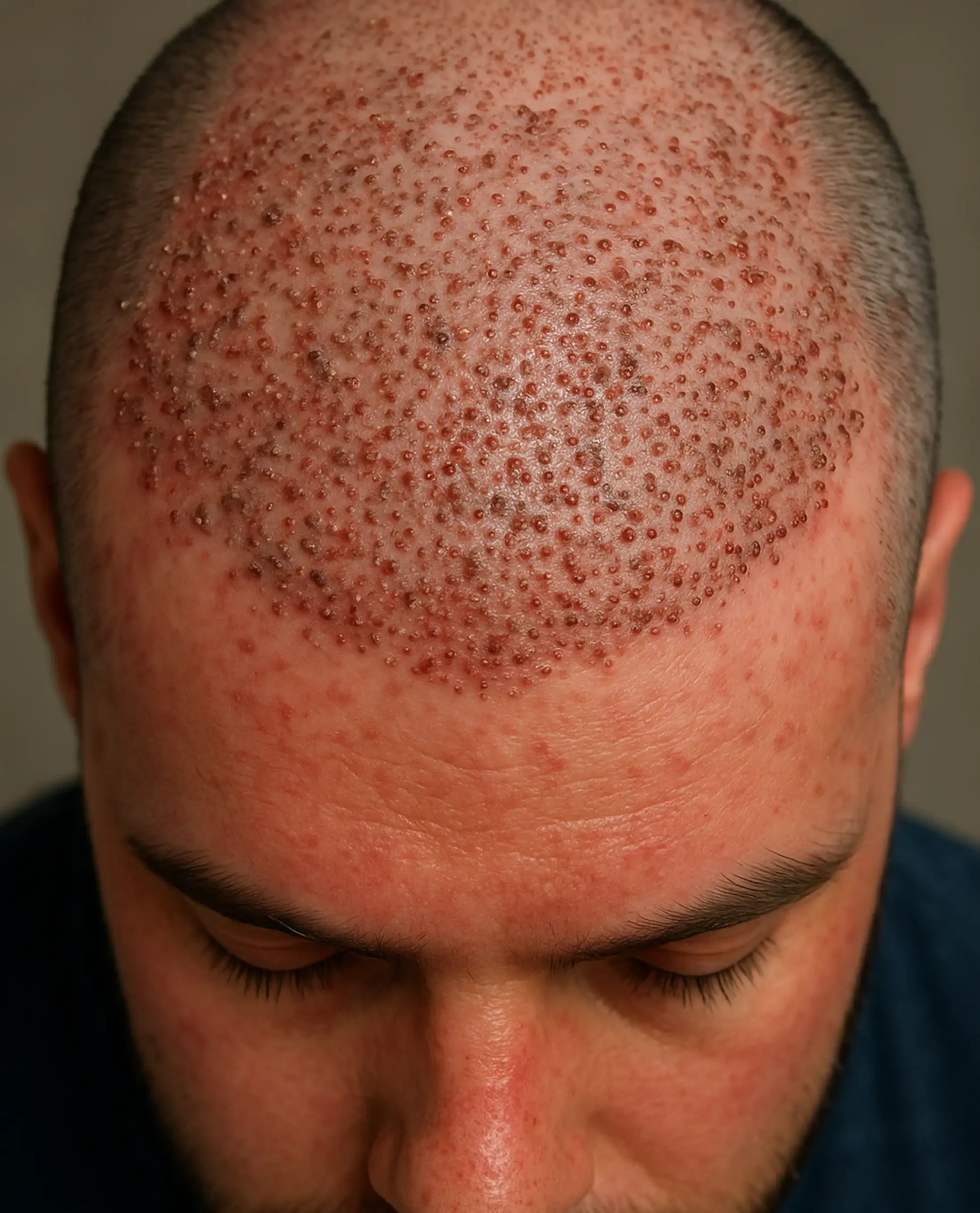
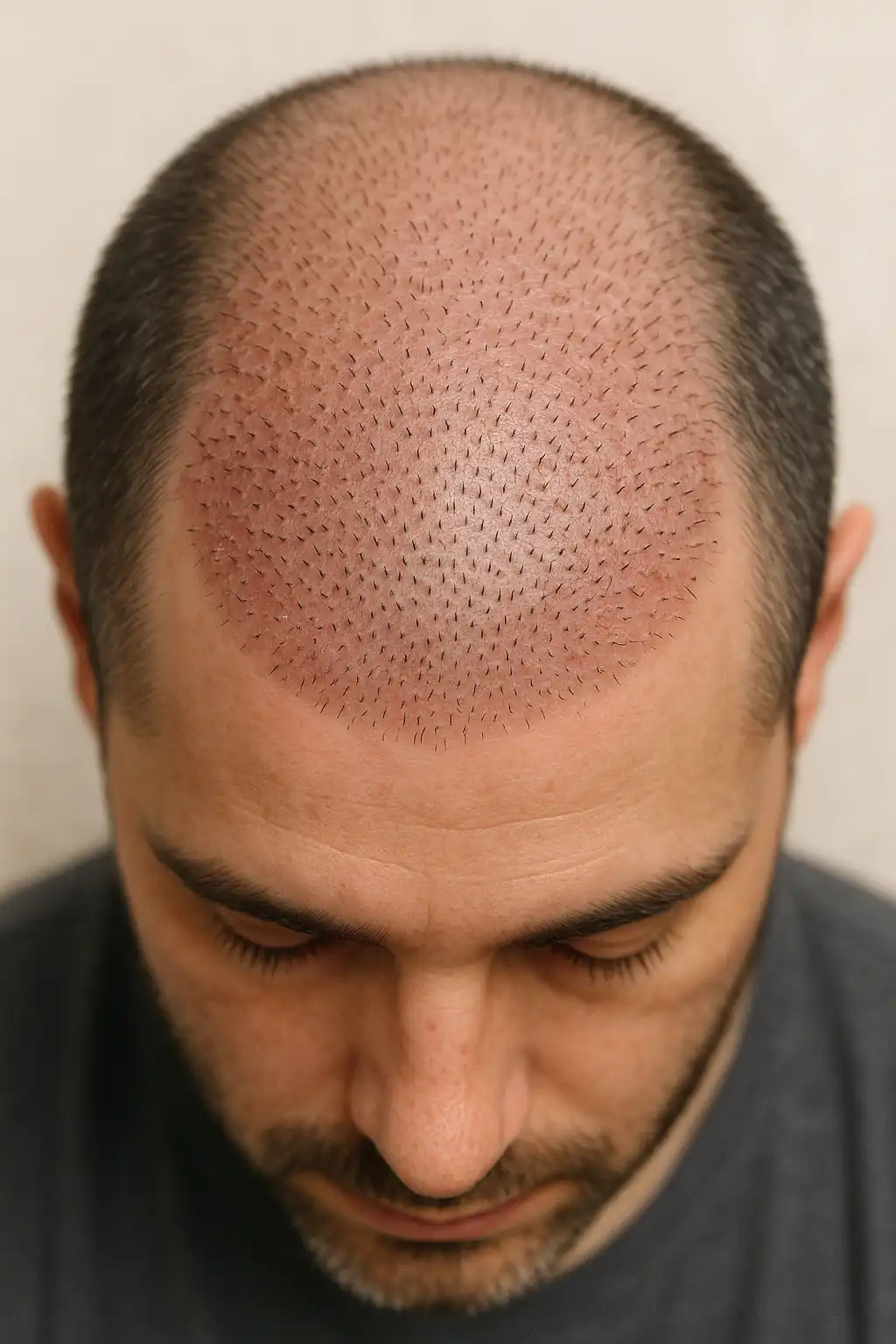
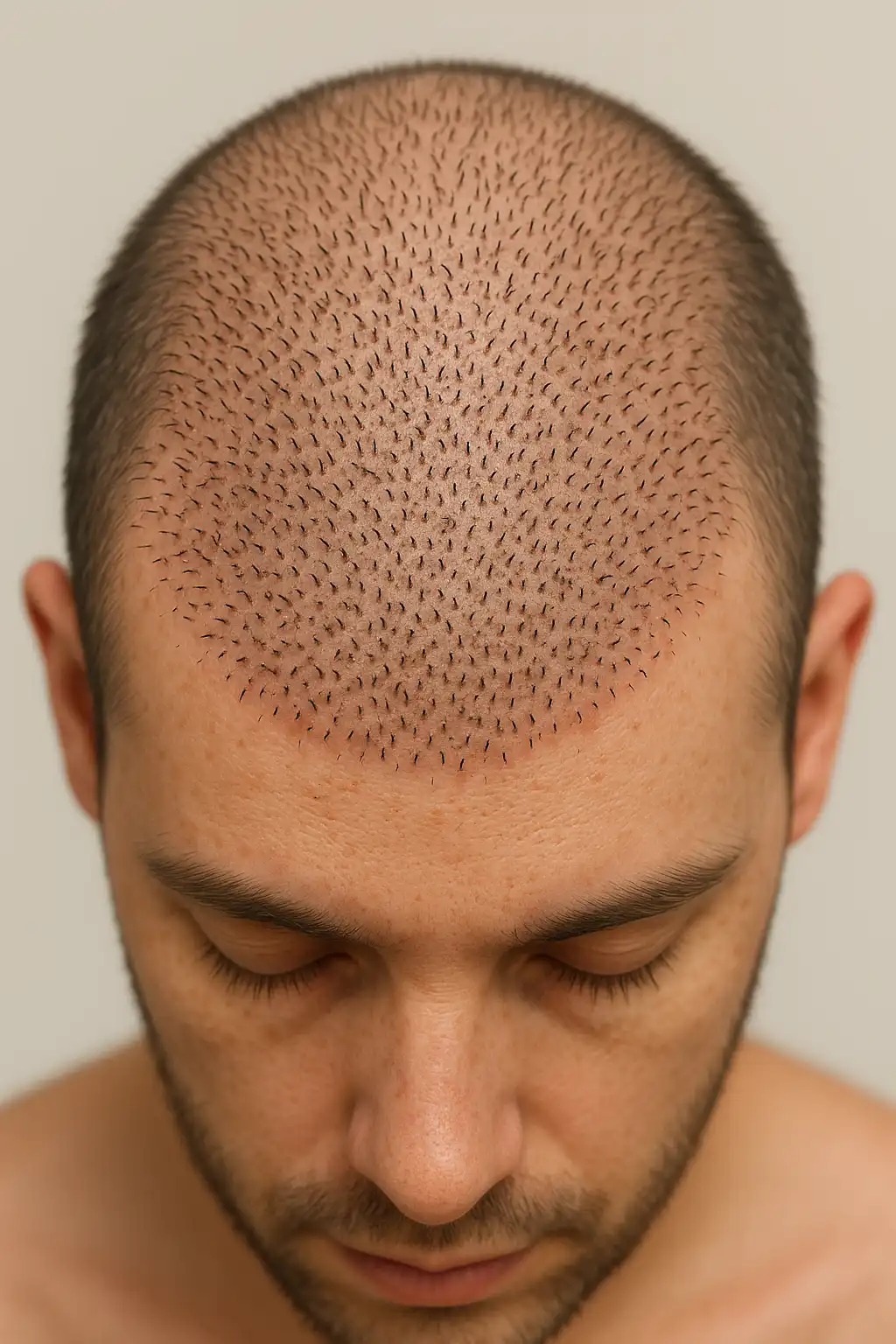
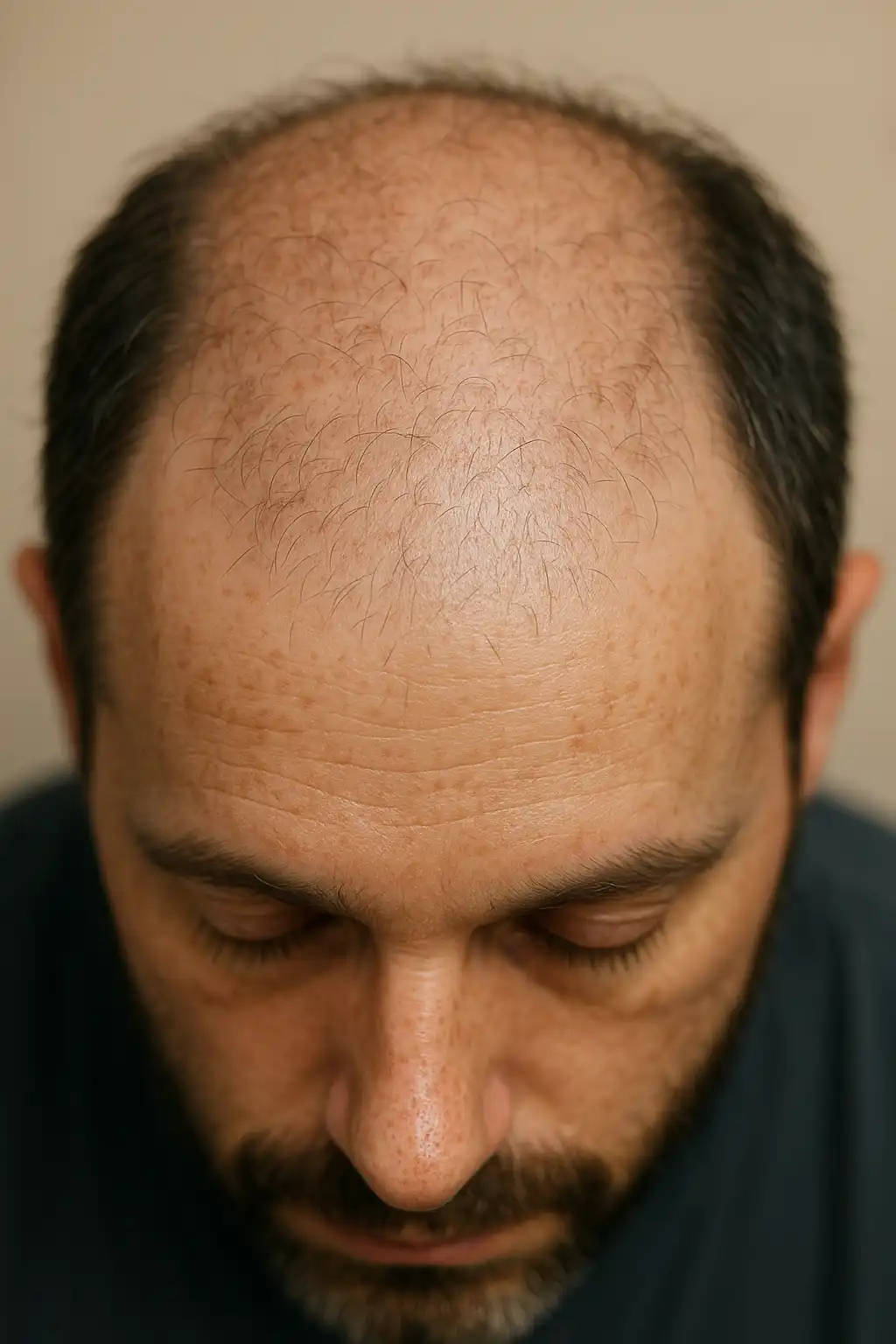
FUE hair transplant results

FUE Hair Transplants at Zentrix Hair Clinic

Doctor led

At Zentrix Hair Clinic, all critical steps of your FUE procedure—harvesting follicles and creating recipient incisions—are performed by our skilled doctors. Our expert technicians will assist the doctor throughout the day and are also involved in sorting and implanting the hair grafts.

One patient per day

We operate a “one patient per day” policy for hair transplants – this ensures that you have the full care and attention of your doctor and our expert team throughout the entire day.

Comprehensive after-care

You receive an aftercare pack with essentials and detailed instructions. 24/7 contact line for direct support from your doctor. Follow-up reviews at 3, 6, and 12 months to monitor your progress.

Advantages of FUE Hair Transplants

icon

No Linear Scarring

FUE leaves tiny, dot-like scars that are often minimally detectable, even with short haircuts. This is a significant advantage over FUT (Follicular Unit Transplantation) which leaves a linear scar.

icon

Quick Recovery

Most patients can return to light activities within a few days of the procedure.

icon

Long-Term Results

The transplanted hair is taken from an area that is resistant to DHT (the hormone responsible for hair loss), ensuring long-lasting results.

icon

Versatility

FUE can be used to restore hair on the scalp, eyebrows, beard, and other areas.

icon

Suitable for Short Hair

Since there’s no linear scar, FUE is ideal for those who prefer shorter hairstyles.

What Happens After an FUE Hair Transplant?

fue

day 0-7

Initial Healing

Follow Aftercare Closely

Patients must carefully follow aftercare instructions, to ensure the best possible results.

Common Early Symptoms

Redness, swelling, and scabbing occur in the donor and recipient areas.

Mild Discomfort Expected

Mild discomfort, tightness, or itching may be present.

Scabs Begin to Fall Off

By the end of the week, swelling subsides, and scabs begin to fall off naturally.

fue

day 7-14

Scab Removal & Healing

Shedding of Scabs

Scabs continue to shed, revealing the implanted grafts.

Redness Begins to Fade

Redness in the recipient area starts to fade.

Gentle Washing Begins

Gentle washing is recommended, following a recommended timeline and technique.

fue

day 15-30

Shedding Phase

Transplanted Hair Sheds

Transplanted hairs begin to shed, which is completely normal.

Follicles Remain Intact

The hair follicles remain intact beneath the scalp, preparing for new growth.

Continued Scalp Recovery

The scalp continues to heal, and any remaining redness fades.

fue

month 1-4

Dormancy & Early Signs

Resting Phase Continues

Most hair follicles remain inactive, with little visible change.

Shock Loss May Occur

Some temporary thinning in surrounding hair is normal.

First Hairs Begin to Emerge

Fine, soft hairs may begin appearing around Month 3 or 4.

fue

month 4-6

Visible Hair Growth

New Hair Appears

New hair becomes more noticeable, though it may still be thin or uneven.

Scalp Fully Healed

The donor and recipient areas are fully healed.

Density Starts to Build

Density begins to improve, with hairs gradually thickening.

fue

month 6-12

Thickening & Maturation

Hair Becomes Stronger

Hair grows stronger, thicker, and blends naturally.

Majority of Results Visible

By Month 9, 60-80% of the final result is visible.

Defined Hairline Forms

The hairline becomes more defined, and density increases significantly.

fue

month 12-18

Full Growth & Final Results

Full Texture & Coverage

The transplanted hair reaches full thickness and texture.

Complete Growth Achieved

By Month 18, the final outcome is complete, and hair can be styled as desired.

Frequently Asked Questions (FAQs)

FUE (Follicular Unit Extraction) removes individual hair follicles, whereas FUT (Follicular Unit Transplantation) involves taking a strip of scalp from the donor area. FUE leaves no linear scar and typically allows for a faster recovery. However, in some cases, FUT may also be a suitable option. A consultation with our doctors can help determine the best approach for you.

The scalp is numbed using local anaesthetic to ensure a comfortable experience. While there may be mild discomfort when the anaesthetic is applied, the procedure itself is painless once the area is numb. Our skilled team uses advanced techniques to minimise any discomfort throughout the process.

The duration depends on the number of grafts required, but most sessions last between 6 to 10 hours in a single day.

Recovery time is typically suggested as two weeks, but most patients can return to light activities within a few days. Scabs usually fall off within 7-10 days, and any redness or mild swelling subsides over the following weeks.

Initial growth begins around 3-4 months after the procedure. In most patients noticeable improvements occur between months 6-9, with full results typically achieved within 12-18 months.

Yes, shedding of the transplanted hair occurs within the first few weeks. However, this is normal, and new hair begins to grow within a few months.

It is best to avoid hats for the first few days. After two weeks, a loose-fitting hat can be worn if necessary.

Exercise should be avoided for at least two weeks to prevent excessive sweating and strain on the scalp.

The best way to determine if FUE is right for you is through a consultation with one of our doctors, who will assess your hair loss pattern, donor hair availability, and overall suitability for the procedure.